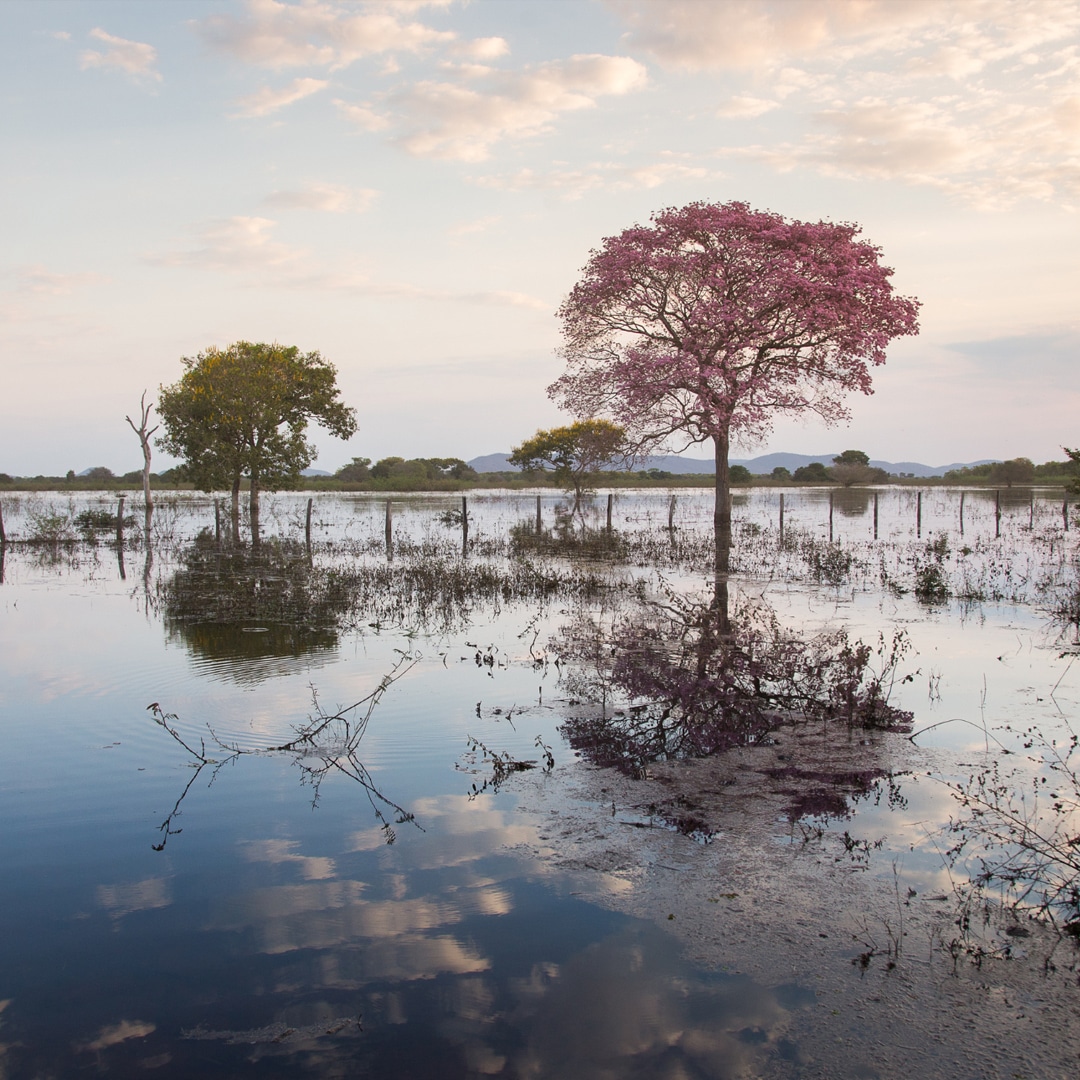
Mato Grosso do Sul is a state located in the central-western region of Brazil, known for its diverse wildlife, natural landscapes, and cultural heritage. The state offers various tourism opportunities, attracting visitors from all over the world
#visitmatogrossodosul
At the heart of South America, the state of Mato Grosso do Sul reveals a deep, authentic, and surprising side of Brazil. A land of encounters—between biomes, cultures, and flavors—the destination invites travelers to experience a journey that connects nature, identity, and way of life.
From the crystal-clear rivers of Serra da Bodoquena to the vast flooded plains of the Pantanal, and cities that preserve traditions and warm hospitality, the state offers a territory where every trip becomes a discovery.
Internationally recognized for ecotourism and wildlife, it is home to iconic destinations such as Pantanal and Bonito, global references in nature conservation and outdoor experiences.

Mato Grosso do Sul is a destination shaped by nature.
Unlike many regions where urban development dominates the landscape, the state’s identity remains closely connected to its rivers, wetlands, forests, grasslands, and biodiversity. This relationship between people and nature influences daily life, local traditions, gastronomy, economic activities, and tourism experiences throughout the region.
The Pantanal serves as the state’s most internationally recognized icon. Covering vast areas of seasonal wetlands, it offers some of the best wildlife observation opportunities in the world. Jaguars, giant otters, capybaras, caimans, tapirs, and hundreds of bird species can be observed in their natural habitat, creating unforgettable encounters for nature enthusiasts and photographers alike.
Bonito presents a different but equally extraordinary environment. Known for its crystal-clear rivers, limestone formations, caves, waterfalls, and conservation-focused tourism model, the destination demonstrates how environmental preservation and visitor experiences can coexist successfully. Activities such as river floating, snorkeling, hiking, and cave exploration allow travelers to engage directly with some of the most pristine freshwater ecosystems in South America.
Beyond these internationally known destinations, Mato Grosso do Sul reveals additional layers of diversity. Regions such as Serra da Bodoquena, Miranda, Aquidauana, Jardim, Corumbá, and Porto Murtinho offer opportunities to explore wildlife, rural traditions, cultural heritage, river landscapes, and emerging tourism experiences that complement the state’s flagship attractions.
Campo Grande, the capital, serves not only as a gateway but also as a destination in its own right. Wide avenues, abundant green spaces, cultural institutions, local gastronomy, and attractions such as the BioParque Pantanal provide visitors with insight into the contemporary identity of Mato Grosso do Sul while showcasing the state’s commitment to sustainability and environmental education.
Together, these experiences reveal a destination where nature is not simply an attraction, but the foundation upon which culture, identity, and tourism have developed.
In Mato Grosso do Sul, travel experiences emerge from real life. The rhythm of Pantanal ranches, wildlife observation expeditions, horseback rides at sunset, and close contact with local communities reveal the essence of the land and its people. The culture of the Pantanal cowboy—shaped by a life intertwined with nature’s cycles—reflects a way of living rooted in simplicity, hospitality, and deep respect for the land.
Nature is one of the greatest expressions of Mato Grosso do Sul. The region is home to extraordinary landscapes such as the Pantanal, one of the largest tropical wetlands on Earth and a haven for wildlife, and Bonito, renowned for its crystal-clear rivers and immersive nature experiences. From birdwatching and wildlife safaris to floating in pristine waters and exploring caves, the state offers unforgettable encounters with nature.
The cuisine of Mato Grosso do Sul is a direct reflection of its territory. Freshwater fish such as pacu, pintado, and dourado, traditional dishes like caldo de piranha, sopa paraguaia, and macarrão de comitiva, and the ritual of sharing tereré form a culinary tradition rich in identity. Influenced by border cultures and ingredients from the Cerrado and Pantanal, local cuisine transforms simple ingredients into memorable experiences, revealing flavors that tell the story of the region.
The cultural identity of Mato Grosso do Sul is shaped by encounters between traditions, peoples, and borders. Indigenous heritage blends with Paraguayan and Bolivian influences, as well as the contributions of migrants from different regions of Brazil. This diversity is expressed in handicrafts, regional music, local festivals, and the daily life of communities. From the sound of the Pantanal guitar to traditions rooted in the land, culture here reflects a deep connection between people, history, and nature.

Located in the heart of South America, the state is internationally recognized for housing two of Brazil’s most remarkable nature destinations: the Pantanal, the world’s largest tropical wetland, and Bonito, a global benchmark for sustainable tourism and freshwater ecotourism. Together, they position Mato Grosso do Sul as one of the leading destinations for travelers seeking meaningful connections with nature.
Yet the state offers far more than its iconic landscapes. Indigenous heritage, Pantaneiro traditions, rural culture, conservation initiatives, gastronomy, and warm local communities contribute to a destination defined by authenticity and a profound connection to the natural world. Here, travel is often measured not by the number of attractions visited, but by the quality of experiences and moments shared with people, landscapes, and wildlife.
For North American travel professionals, Mato Grosso do Sul represents one of Brazil’s strongest opportunities in nature, sustainability, wildlife observation, luxury ecotourism, and experiential travel. The destination appeals to travelers seeking authenticity, conservation, wellness, adventure, and transformative journeys that leave a lasting impression.
GOLDEN AWARD – TRAVEL WEEKLY MAGELLAN AWARDS 2024
The first episode of the documentary series explores how ecotourism is a powerful tool for preservation and environmental awareness. Accompanied by experienced guides, we witness tourists’ journey in search of unique and immersive experiences in nature, while learning about the importance of conservation to ensure the sustainability of this type of tourism and the natural heritage for future generations.

The second episode of the documentary series “Mato Grosso do Sul: ecotourism exponent to the world” is a journey to the center of the Earth. The journey takes us through the legendary and enigmatic caves of the municipalities of Bonito and Jardim, showing the connection between humans and nature. It also integrates environmental education in the largest freshwater complex in the world, the Pantanal Biopark, in Campo Grande.
The third episode of the documentary “Mato Grosso do Sul – Ecotourism Exponent to the World” is a celebration of Pantanal culture. The chapter highlights the role of the artisan and master cururu player Sebastião de Souza Brandão in preserving the “way of doing” and the sound of the cocho viola, a Brazilian intangible heritage. He shares his passion for the musical genre and his efforts to pass on this legacy to new generations during the traditional Feast of São João’s Bath in Corumbá.


The fourth and final episode of the documentary on ecotourism in Mato Grosso do Sul highlights the Amolar Mountain Range, an icon of the Upper Pantanal considered a natural heritage of humanity and a World Biosphere Reserve. This chapter explores the deep connection between riverside women and nature, highlighting them as guardians of the biome and the culture of water hyacinth weaving. The episode also focuses on the efforts of the Pantaneiro Man Institute in the preservation and restoration of the Pantanal after the devastating fires of 2020.
The Mato Grosso do Sul Tourism Foundation (Fundtur-MS) works to promote the tourism potential of Mato Grosso do Sul, a state in Brazil’s Central-West region known for its exceptional biodiversity, outdoor adventures, and close connection between nature and local culture. Its tourism offering brings together some of the country’s most remarkable natural environments, including the Pantanal, one of the world’s largest tropical wetlands, and Bonito, a destination internationally recognized for its crystal-clear rivers, caves, waterfalls, and ecotourism experiences.
Website: https://en.visitms.com.br/
Parf of: